What I look for in an idol physician-researcher: Swiss-born psychiatrist, pioneer in near-death studies, and is an author of a groundbreaking book On Death and Dying (1969). Elisabeth Kübler-Ross, M.D. hits all of my criteria, how amazing! Doctor Kübler-Ross was the first to discuss what is now known as the Kubler-Ross Model. She proposed the famous pattern of adjustment known as the Five Stages of Grief. These stages are denial, anger, bargaining, depression, and acceptance. There is no definite or concrete sequence, but generally, individuals experience this when confronted with the reality of their inescapable death. These stages can also be applied to those dealing with the death of a loved one.
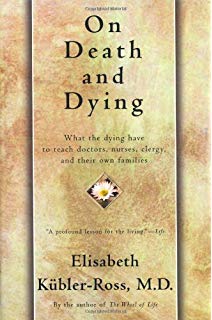
Elisabeth Kübler was born in Zurich, Switzerland and was one of triplets. Initially, her family did not want her to take medicine, but she persisted and eventually gained their approval. She married and moved to the United States. When she became pregnant, she was disqualified for a residency in pediatrics and took up one for psychiatry. As she started, she was disappointed in the way they treated patients who were dying. She held lectures on terminally ill patients to forcing the medical students to face patients who were dying.
She introduced the Five Stages of Grief in her book On Death and Dying. This later became a standard text for health care providers with patients who were terminally ill. Dr. Kübler-Ross went against taboo and changed the way people dealt with death. Her work eased the difficulty patients, their families, and health care providers face when dealing with terminal diseases and death.
I admire how she persevered all throughout her life, like her family not encouraging her taking medicine and being denied a residency in pediatrics. The phrase “when one door closes, another one opens” comes to mind when I think of how she took up psychiatry and made such an important contribution. It’s necessary for health care professionals to know how to deal with hard topics like terminal illness and death. Not only must we try to heal our patients, we also have to support them emotionally and be sensitive. The five stages maybe somewhat overlooked since it’s been around for a while. However, it’s helpful to have somewhat of a guide when handling such extreme emotions. I hope to be as caring and passionate as she was.
 glasses with classes